
If you meet the eligibility criteria and have the drive to become a pilot, apply by June 19, 2026 at afcat.edcil.co.in. Begin your AFCAT preparation now, focus on the written exam, prepare mentally for PABT, and stay physically fit. The uniform and the sky await.
Conclusion: The Sky Is Calling
Becoming an IAF pilot through AFCAT Flying Branch is one of India’s most challenging and rewarding careers. It demands physical excellence, mental sharpness, and unwavering determination. The selection process is designed to identify officers who can handle the intense pressures of fighter aircraft operations.
If you meet the eligibility criteria and have the drive to become a pilot, apply by June 19, 2026 at afcat.edcil.co.in. Begin your AFCAT preparation now, focus on the written exam, prepare mentally for PABT, and stay physically fit. The uniform and the sky await.
🎖️ Join Defence Dreamers Academy — Comprehensive AFCAT coaching, PABT preparation, mock tests, and SSB mentorship. Your dream to fly India’s fighter jets starts here.
Conclusion: The Sky Is Calling
Becoming an IAF pilot through AFCAT Flying Branch is one of India’s most challenging and rewarding careers. It demands physical excellence, mental sharpness, and unwavering determination. The selection process is designed to identify officers who can handle the intense pressures of fighter aircraft operations.
If you meet the eligibility criteria and have the drive to become a pilot, apply by June 19, 2026 at afcat.edcil.co.in. Begin your AFCAT preparation now, focus on the written exam, prepare mentally for PABT, and stay physically fit. The uniform and the sky await.
🎖️ Join Defence Dreamers Academy — Comprehensive AFCAT coaching, PABT preparation, mock tests, and SSB mentorship. Your dream to fly India’s fighter jets starts here.
- ✈️ AFCAT Flying Branch is the most competitive IAF officer entry
- ✈️ Eligibility: Graduation with Physics & Maths (60%), aged 20–24 years, uncorrected vision 6/6 or 6/9
- ✈️ 5 selection stages: Written exam → PABT → SSB → Medical → Documentation
- ✈️ AFCAT 2 exam: August 8, 2026 | Last date: June 19, 2026
- ✈️ Salary: ₹1,50,000–₹2,50,000/month with flying allowance
- ✈️ PABT test assesses spatial reasoning, multi-tasking, and pilot aptitude — cannot be “studied”
- ✈️ Medical standards are the strictest among all defence entries
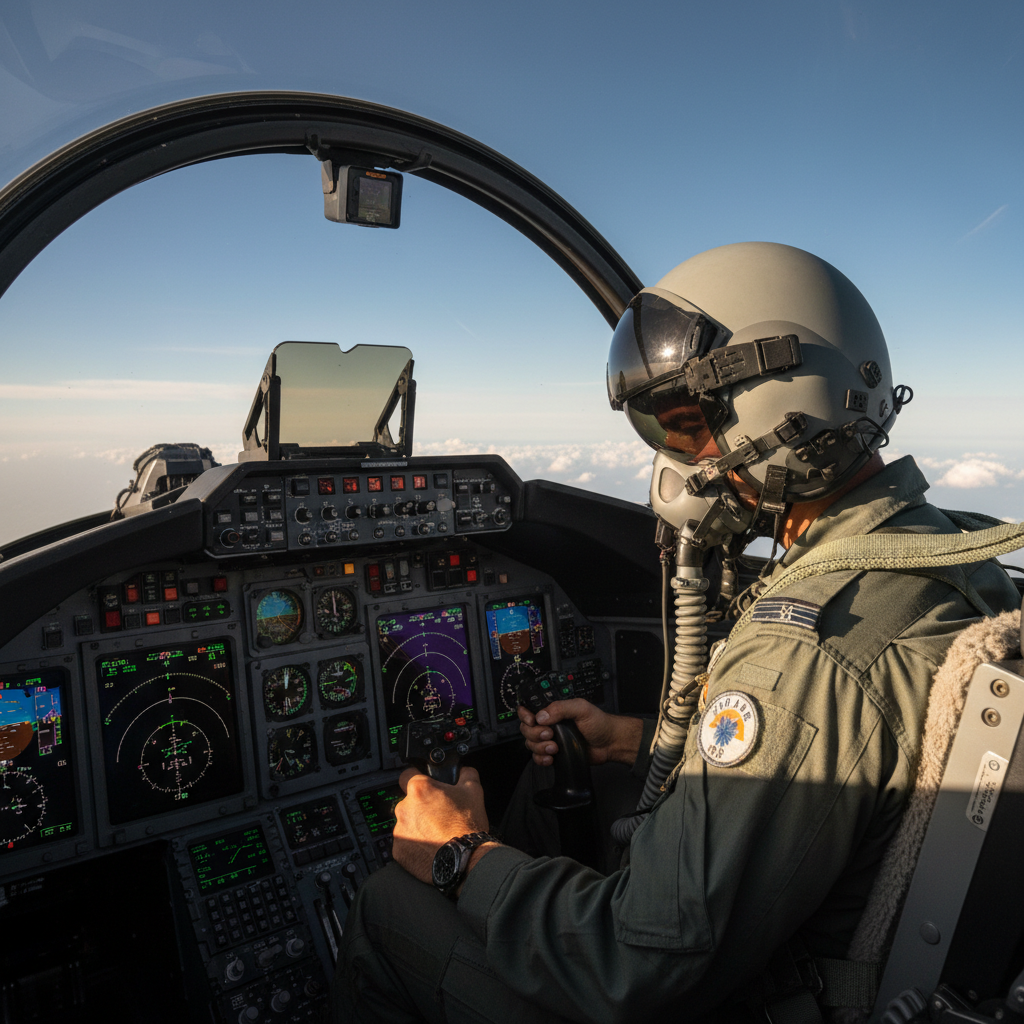
Conclusion: The Sky Is Calling
Becoming an IAF pilot through AFCAT Flying Branch is one of India’s most challenging and rewarding careers. It demands physical excellence, mental sharpness, and unwavering determination. The selection process is designed to identify officers who can handle the intense pressures of fighter aircraft operations.
If you meet the eligibility criteria and have the drive to become a pilot, apply by June 19, 2026 at afcat.edcil.co.in. Begin your AFCAT preparation now, focus on the written exam, prepare mentally for PABT, and stay physically fit. The uniform and the sky await.
🎖️ Join Defence Dreamers Academy — Comprehensive AFCAT coaching, PABT preparation, mock tests, and SSB mentorship. Your dream to fly India’s fighter jets starts here.
Flying training at Air Force Academy Dundigal takes approximately 2.5 years, divided into:
- Phase 1 (Ground school): 6 months — aircraft systems, navigation, meteorology
- Phase 2 (Initial flying training): 1.5 years — trainer aircraft (Pilatus PC-7)
- Phase 3 (Advanced flying training): 6 months — fast jets (Hawk/Tejas)
Key Takeaways
- ✈️ AFCAT Flying Branch is the most competitive IAF officer entry
- ✈️ Eligibility: Graduation with Physics & Maths (60%), aged 20–24 years, uncorrected vision 6/6 or 6/9
- ✈️ 5 selection stages: Written exam → PABT → SSB → Medical → Documentation
- ✈️ AFCAT 2 exam: August 8, 2026 | Last date: June 19, 2026
- ✈️ Salary: ₹1,50,000–₹2,50,000/month with flying allowance
- ✈️ PABT test assesses spatial reasoning, multi-tasking, and pilot aptitude — cannot be “studied”
- ✈️ Medical standards are the strictest among all defence entries
Conclusion: The Sky Is Calling
Becoming an IAF pilot through AFCAT Flying Branch is one of India’s most challenging and rewarding careers. It demands physical excellence, mental sharpness, and unwavering determination. The selection process is designed to identify officers who can handle the intense pressures of fighter aircraft operations.
If you meet the eligibility criteria and have the drive to become a pilot, apply by June 19, 2026 at afcat.edcil.co.in. Begin your AFCAT preparation now, focus on the written exam, prepare mentally for PABT, and stay physically fit. The uniform and the sky await.
🎖️ Join Defence Dreamers Academy — Comprehensive AFCAT coaching, PABT preparation, mock tests, and SSB mentorship. Your dream to fly India’s fighter jets starts here.
Q5: How long is the flying training after selection?
Flying training at Air Force Academy Dundigal takes approximately 2.5 years, divided into:
- Phase 1 (Ground school): 6 months — aircraft systems, navigation, meteorology
- Phase 2 (Initial flying training): 1.5 years — trainer aircraft (Pilatus PC-7)
- Phase 3 (Advanced flying training): 6 months — fast jets (Hawk/Tejas)
Key Takeaways
- ✈️ AFCAT Flying Branch is the most competitive IAF officer entry
- ✈️ Eligibility: Graduation with Physics & Maths (60%), aged 20–24 years, uncorrected vision 6/6 or 6/9
- ✈️ 5 selection stages: Written exam → PABT → SSB → Medical → Documentation
- ✈️ AFCAT 2 exam: August 8, 2026 | Last date: June 19, 2026
- ✈️ Salary: ₹1,50,000–₹2,50,000/month with flying allowance
- ✈️ PABT test assesses spatial reasoning, multi-tasking, and pilot aptitude — cannot be “studied”
- ✈️ Medical standards are the strictest among all defence entries
Conclusion: The Sky Is Calling
Becoming an IAF pilot through AFCAT Flying Branch is one of India’s most challenging and rewarding careers. It demands physical excellence, mental sharpness, and unwavering determination. The selection process is designed to identify officers who can handle the intense pressures of fighter aircraft operations.
If you meet the eligibility criteria and have the drive to become a pilot, apply by June 19, 2026 at afcat.edcil.co.in. Begin your AFCAT preparation now, focus on the written exam, prepare mentally for PABT, and stay physically fit. The uniform and the sky await.
🎖️ Join Defence Dreamers Academy — Comprehensive AFCAT coaching, PABT preparation, mock tests, and SSB mentorship. Your dream to fly India’s fighter jets starts here.
No age relaxation for Flying Branch. The age limit is strictly 20–24 years as on the date of application. No category-based relaxation is provided.
Q5: How long is the flying training after selection?
Flying training at Air Force Academy Dundigal takes approximately 2.5 years, divided into:
- Phase 1 (Ground school): 6 months — aircraft systems, navigation, meteorology
- Phase 2 (Initial flying training): 1.5 years — trainer aircraft (Pilatus PC-7)
- Phase 3 (Advanced flying training): 6 months — fast jets (Hawk/Tejas)
Key Takeaways
- ✈️ AFCAT Flying Branch is the most competitive IAF officer entry
- ✈️ Eligibility: Graduation with Physics & Maths (60%), aged 20–24 years, uncorrected vision 6/6 or 6/9
- ✈️ 5 selection stages: Written exam → PABT → SSB → Medical → Documentation
- ✈️ AFCAT 2 exam: August 8, 2026 | Last date: June 19, 2026
- ✈️ Salary: ₹1,50,000–₹2,50,000/month with flying allowance
- ✈️ PABT test assesses spatial reasoning, multi-tasking, and pilot aptitude — cannot be “studied”
- ✈️ Medical standards are the strictest among all defence entries
Conclusion: The Sky Is Calling
Becoming an IAF pilot through AFCAT Flying Branch is one of India’s most challenging and rewarding careers. It demands physical excellence, mental sharpness, and unwavering determination. The selection process is designed to identify officers who can handle the intense pressures of fighter aircraft operations.
If you meet the eligibility criteria and have the drive to become a pilot, apply by June 19, 2026 at afcat.edcil.co.in. Begin your AFCAT preparation now, focus on the written exam, prepare mentally for PABT, and stay physically fit. The uniform and the sky await.
🎖️ Join Defence Dreamers Academy — Comprehensive AFCAT coaching, PABT preparation, mock tests, and SSB mentorship. Your dream to fly India’s fighter jets starts here.
Q4: Is there any age relaxation for AFCAT Flying Branch?
No age relaxation for Flying Branch. The age limit is strictly 20–24 years as on the date of application. No category-based relaxation is provided.
Q5: How long is the flying training after selection?
Flying training at Air Force Academy Dundigal takes approximately 2.5 years, divided into:
- Phase 1 (Ground school): 6 months — aircraft systems, navigation, meteorology
- Phase 2 (Initial flying training): 1.5 years — trainer aircraft (Pilatus PC-7)
- Phase 3 (Advanced flying training): 6 months — fast jets (Hawk/Tejas)
Key Takeaways
- ✈️ AFCAT Flying Branch is the most competitive IAF officer entry
- ✈️ Eligibility: Graduation with Physics & Maths (60%), aged 20–24 years, uncorrected vision 6/6 or 6/9
- ✈️ 5 selection stages: Written exam → PABT → SSB → Medical → Documentation
- ✈️ AFCAT 2 exam: August 8, 2026 | Last date: June 19, 2026
- ✈️ Salary: ₹1,50,000–₹2,50,000/month with flying allowance
- ✈️ PABT test assesses spatial reasoning, multi-tasking, and pilot aptitude — cannot be “studied”
- ✈️ Medical standards are the strictest among all defence entries
Conclusion: The Sky Is Calling
Becoming an IAF pilot through AFCAT Flying Branch is one of India’s most challenging and rewarding careers. It demands physical excellence, mental sharpness, and unwavering determination. The selection process is designed to identify officers who can handle the intense pressures of fighter aircraft operations.
If you meet the eligibility criteria and have the drive to become a pilot, apply by June 19, 2026 at afcat.edcil.co.in. Begin your AFCAT preparation now, focus on the written exam, prepare mentally for PABT, and stay physically fit. The uniform and the sky await.
🎖️ Join Defence Dreamers Academy — Comprehensive AFCAT coaching, PABT preparation, mock tests, and SSB mentorship. Your dream to fly India’s fighter jets starts here.
Yes, LASIK eye correction is allowed if performed at least 6 months before the medical exam, and the post-surgical vision is 6/6 or better without correction. Refractive error should not exceed ±3.0 D.
Q4: Is there any age relaxation for AFCAT Flying Branch?
No age relaxation for Flying Branch. The age limit is strictly 20–24 years as on the date of application. No category-based relaxation is provided.
Q5: How long is the flying training after selection?
Flying training at Air Force Academy Dundigal takes approximately 2.5 years, divided into:
- Phase 1 (Ground school): 6 months — aircraft systems, navigation, meteorology
- Phase 2 (Initial flying training): 1.5 years — trainer aircraft (Pilatus PC-7)
- Phase 3 (Advanced flying training): 6 months — fast jets (Hawk/Tejas)
Key Takeaways
- ✈️ AFCAT Flying Branch is the most competitive IAF officer entry
- ✈️ Eligibility: Graduation with Physics & Maths (60%), aged 20–24 years, uncorrected vision 6/6 or 6/9
- ✈️ 5 selection stages: Written exam → PABT → SSB → Medical → Documentation
- ✈️ AFCAT 2 exam: August 8, 2026 | Last date: June 19, 2026
- ✈️ Salary: ₹1,50,000–₹2,50,000/month with flying allowance
- ✈️ PABT test assesses spatial reasoning, multi-tasking, and pilot aptitude — cannot be “studied”
- ✈️ Medical standards are the strictest among all defence entries
Conclusion: The Sky Is Calling
Becoming an IAF pilot through AFCAT Flying Branch is one of India’s most challenging and rewarding careers. It demands physical excellence, mental sharpness, and unwavering determination. The selection process is designed to identify officers who can handle the intense pressures of fighter aircraft operations.
If you meet the eligibility criteria and have the drive to become a pilot, apply by June 19, 2026 at afcat.edcil.co.in. Begin your AFCAT preparation now, focus on the written exam, prepare mentally for PABT, and stay physically fit. The uniform and the sky await.
🎖️ Join Defence Dreamers Academy — Comprehensive AFCAT coaching, PABT preparation, mock tests, and SSB mentorship. Your dream to fly India’s fighter jets starts here.
Q3: Is LASIK correction allowed for Flying Branch?
Yes, LASIK eye correction is allowed if performed at least 6 months before the medical exam, and the post-surgical vision is 6/6 or better without correction. Refractive error should not exceed ±3.0 D.
Q4: Is there any age relaxation for AFCAT Flying Branch?
No age relaxation for Flying Branch. The age limit is strictly 20–24 years as on the date of application. No category-based relaxation is provided.
Q5: How long is the flying training after selection?
Flying training at Air Force Academy Dundigal takes approximately 2.5 years, divided into:
- Phase 1 (Ground school): 6 months — aircraft systems, navigation, meteorology
- Phase 2 (Initial flying training): 1.5 years — trainer aircraft (Pilatus PC-7)
- Phase 3 (Advanced flying training): 6 months — fast jets (Hawk/Tejas)
Key Takeaways
- ✈️ AFCAT Flying Branch is the most competitive IAF officer entry
- ✈️ Eligibility: Graduation with Physics & Maths (60%), aged 20–24 years, uncorrected vision 6/6 or 6/9
- ✈️ 5 selection stages: Written exam → PABT → SSB → Medical → Documentation
- ✈️ AFCAT 2 exam: August 8, 2026 | Last date: June 19, 2026
- ✈️ Salary: ₹1,50,000–₹2,50,000/month with flying allowance
- ✈️ PABT test assesses spatial reasoning, multi-tasking, and pilot aptitude — cannot be “studied”
- ✈️ Medical standards are the strictest among all defence entries
Conclusion: The Sky Is Calling
Becoming an IAF pilot through AFCAT Flying Branch is one of India’s most challenging and rewarding careers. It demands physical excellence, mental sharpness, and unwavering determination. The selection process is designed to identify officers who can handle the intense pressures of fighter aircraft operations.
If you meet the eligibility criteria and have the drive to become a pilot, apply by June 19, 2026 at afcat.edcil.co.in. Begin your AFCAT preparation now, focus on the written exam, prepare mentally for PABT, and stay physically fit. The uniform and the sky await.
🎖️ Join Defence Dreamers Academy — Comprehensive AFCAT coaching, PABT preparation, mock tests, and SSB mentorship. Your dream to fly India’s fighter jets starts here.
AFCAT doesn’t release a “cutoff” before selection. Merit is based on: (1) AFCAT score, (2) PABT performance, (3) SSB recommendation, (4) Medical fitness. Typically, candidates in top 500–800 of AFCAT are called for PABT. Average AFCAT score for Flying Branch selection is around 220–240 out of 300.
Q3: Is LASIK correction allowed for Flying Branch?
Yes, LASIK eye correction is allowed if performed at least 6 months before the medical exam, and the post-surgical vision is 6/6 or better without correction. Refractive error should not exceed ±3.0 D.
Q4: Is there any age relaxation for AFCAT Flying Branch?
No age relaxation for Flying Branch. The age limit is strictly 20–24 years as on the date of application. No category-based relaxation is provided.
Q5: How long is the flying training after selection?
Flying training at Air Force Academy Dundigal takes approximately 2.5 years, divided into:
- Phase 1 (Ground school): 6 months — aircraft systems, navigation, meteorology
- Phase 2 (Initial flying training): 1.5 years — trainer aircraft (Pilatus PC-7)
- Phase 3 (Advanced flying training): 6 months — fast jets (Hawk/Tejas)
Key Takeaways
- ✈️ AFCAT Flying Branch is the most competitive IAF officer entry
- ✈️ Eligibility: Graduation with Physics & Maths (60%), aged 20–24 years, uncorrected vision 6/6 or 6/9
- ✈️ 5 selection stages: Written exam → PABT → SSB → Medical → Documentation
- ✈️ AFCAT 2 exam: August 8, 2026 | Last date: June 19, 2026
- ✈️ Salary: ₹1,50,000–₹2,50,000/month with flying allowance
- ✈️ PABT test assesses spatial reasoning, multi-tasking, and pilot aptitude — cannot be “studied”
- ✈️ Medical standards are the strictest among all defence entries
Conclusion: The Sky Is Calling
Becoming an IAF pilot through AFCAT Flying Branch is one of India’s most challenging and rewarding careers. It demands physical excellence, mental sharpness, and unwavering determination. The selection process is designed to identify officers who can handle the intense pressures of fighter aircraft operations.
If you meet the eligibility criteria and have the drive to become a pilot, apply by June 19, 2026 at afcat.edcil.co.in. Begin your AFCAT preparation now, focus on the written exam, prepare mentally for PABT, and stay physically fit. The uniform and the sky await.
🎖️ Join Defence Dreamers Academy — Comprehensive AFCAT coaching, PABT preparation, mock tests, and SSB mentorship. Your dream to fly India’s fighter jets starts here.
Q2: What is the cutoff score for AFCAT Flying Branch?
AFCAT doesn’t release a “cutoff” before selection. Merit is based on: (1) AFCAT score, (2) PABT performance, (3) SSB recommendation, (4) Medical fitness. Typically, candidates in top 500–800 of AFCAT are called for PABT. Average AFCAT score for Flying Branch selection is around 220–240 out of 300.
Q3: Is LASIK correction allowed for Flying Branch?
Yes, LASIK eye correction is allowed if performed at least 6 months before the medical exam, and the post-surgical vision is 6/6 or better without correction. Refractive error should not exceed ±3.0 D.
Q4: Is there any age relaxation for AFCAT Flying Branch?
No age relaxation for Flying Branch. The age limit is strictly 20–24 years as on the date of application. No category-based relaxation is provided.
Q5: How long is the flying training after selection?
Flying training at Air Force Academy Dundigal takes approximately 2.5 years, divided into:
- Phase 1 (Ground school): 6 months — aircraft systems, navigation, meteorology
- Phase 2 (Initial flying training): 1.5 years — trainer aircraft (Pilatus PC-7)
- Phase 3 (Advanced flying training): 6 months — fast jets (Hawk/Tejas)
Key Takeaways
- ✈️ AFCAT Flying Branch is the most competitive IAF officer entry
- ✈️ Eligibility: Graduation with Physics & Maths (60%), aged 20–24 years, uncorrected vision 6/6 or 6/9
- ✈️ 5 selection stages: Written exam → PABT → SSB → Medical → Documentation
- ✈️ AFCAT 2 exam: August 8, 2026 | Last date: June 19, 2026
- ✈️ Salary: ₹1,50,000–₹2,50,000/month with flying allowance
- ✈️ PABT test assesses spatial reasoning, multi-tasking, and pilot aptitude — cannot be “studied”
- ✈️ Medical standards are the strictest among all defence entries
Conclusion: The Sky Is Calling
Becoming an IAF pilot through AFCAT Flying Branch is one of India’s most challenging and rewarding careers. It demands physical excellence, mental sharpness, and unwavering determination. The selection process is designed to identify officers who can handle the intense pressures of fighter aircraft operations.
If you meet the eligibility criteria and have the drive to become a pilot, apply by June 19, 2026 at afcat.edcil.co.in. Begin your AFCAT preparation now, focus on the written exam, prepare mentally for PABT, and stay physically fit. The uniform and the sky await.
🎖️ Join Defence Dreamers Academy — Comprehensive AFCAT coaching, PABT preparation, mock tests, and SSB mentorship. Your dream to fly India’s fighter jets starts here.
As of 2026, AFCAT Flying Branch is open to males only. However, the Indian Air Force is gradually opening pilot positions for women. This may change in future AFCAT notifications. Women can apply for Ground Duty (Technical and Non-Technical) branches in AFCAT.
Q2: What is the cutoff score for AFCAT Flying Branch?
AFCAT doesn’t release a “cutoff” before selection. Merit is based on: (1) AFCAT score, (2) PABT performance, (3) SSB recommendation, (4) Medical fitness. Typically, candidates in top 500–800 of AFCAT are called for PABT. Average AFCAT score for Flying Branch selection is around 220–240 out of 300.
Q3: Is LASIK correction allowed for Flying Branch?
Yes, LASIK eye correction is allowed if performed at least 6 months before the medical exam, and the post-surgical vision is 6/6 or better without correction. Refractive error should not exceed ±3.0 D.
Q4: Is there any age relaxation for AFCAT Flying Branch?
No age relaxation for Flying Branch. The age limit is strictly 20–24 years as on the date of application. No category-based relaxation is provided.
Q5: How long is the flying training after selection?
Flying training at Air Force Academy Dundigal takes approximately 2.5 years, divided into:
- Phase 1 (Ground school): 6 months — aircraft systems, navigation, meteorology
- Phase 2 (Initial flying training): 1.5 years — trainer aircraft (Pilatus PC-7)
- Phase 3 (Advanced flying training): 6 months — fast jets (Hawk/Tejas)
Key Takeaways
- ✈️ AFCAT Flying Branch is the most competitive IAF officer entry
- ✈️ Eligibility: Graduation with Physics & Maths (60%), aged 20–24 years, uncorrected vision 6/6 or 6/9
- ✈️ 5 selection stages: Written exam → PABT → SSB → Medical → Documentation
- ✈️ AFCAT 2 exam: August 8, 2026 | Last date: June 19, 2026
- ✈️ Salary: ₹1,50,000–₹2,50,000/month with flying allowance
- ✈️ PABT test assesses spatial reasoning, multi-tasking, and pilot aptitude — cannot be “studied”
- ✈️ Medical standards are the strictest among all defence entries
Conclusion: The Sky Is Calling
Becoming an IAF pilot through AFCAT Flying Branch is one of India’s most challenging and rewarding careers. It demands physical excellence, mental sharpness, and unwavering determination. The selection process is designed to identify officers who can handle the intense pressures of fighter aircraft operations.
If you meet the eligibility criteria and have the drive to become a pilot, apply by June 19, 2026 at afcat.edcil.co.in. Begin your AFCAT preparation now, focus on the written exam, prepare mentally for PABT, and stay physically fit. The uniform and the sky await.
🎖️ Join Defence Dreamers Academy — Comprehensive AFCAT coaching, PABT preparation, mock tests, and SSB mentorship. Your dream to fly India’s fighter jets starts here.
Q1: Can girls apply for AFCAT Flying Branch?
As of 2026, AFCAT Flying Branch is open to males only. However, the Indian Air Force is gradually opening pilot positions for women. This may change in future AFCAT notifications. Women can apply for Ground Duty (Technical and Non-Technical) branches in AFCAT.
Q2: What is the cutoff score for AFCAT Flying Branch?
AFCAT doesn’t release a “cutoff” before selection. Merit is based on: (1) AFCAT score, (2) PABT performance, (3) SSB recommendation, (4) Medical fitness. Typically, candidates in top 500–800 of AFCAT are called for PABT. Average AFCAT score for Flying Branch selection is around 220–240 out of 300.
Q3: Is LASIK correction allowed for Flying Branch?
Yes, LASIK eye correction is allowed if performed at least 6 months before the medical exam, and the post-surgical vision is 6/6 or better without correction. Refractive error should not exceed ±3.0 D.
Q4: Is there any age relaxation for AFCAT Flying Branch?
No age relaxation for Flying Branch. The age limit is strictly 20–24 years as on the date of application. No category-based relaxation is provided.
Q5: How long is the flying training after selection?
Flying training at Air Force Academy Dundigal takes approximately 2.5 years, divided into:
- Phase 1 (Ground school): 6 months — aircraft systems, navigation, meteorology
- Phase 2 (Initial flying training): 1.5 years — trainer aircraft (Pilatus PC-7)
- Phase 3 (Advanced flying training): 6 months — fast jets (Hawk/Tejas)
Key Takeaways
- ✈️ AFCAT Flying Branch is the most competitive IAF officer entry
- ✈️ Eligibility: Graduation with Physics & Maths (60%), aged 20–24 years, uncorrected vision 6/6 or 6/9
- ✈️ 5 selection stages: Written exam → PABT → SSB → Medical → Documentation
- ✈️ AFCAT 2 exam: August 8, 2026 | Last date: June 19, 2026
- ✈️ Salary: ₹1,50,000–₹2,50,000/month with flying allowance
- ✈️ PABT test assesses spatial reasoning, multi-tasking, and pilot aptitude — cannot be “studied”
- ✈️ Medical standards are the strictest among all defence entries
Conclusion: The Sky Is Calling
Becoming an IAF pilot through AFCAT Flying Branch is one of India’s most challenging and rewarding careers. It demands physical excellence, mental sharpness, and unwavering determination. The selection process is designed to identify officers who can handle the intense pressures of fighter aircraft operations.
If you meet the eligibility criteria and have the drive to become a pilot, apply by June 19, 2026 at afcat.edcil.co.in. Begin your AFCAT preparation now, focus on the written exam, prepare mentally for PABT, and stay physically fit. The uniform and the sky await.
🎖️ Join Defence Dreamers Academy — Comprehensive AFCAT coaching, PABT preparation, mock tests, and SSB mentorship. Your dream to fly India’s fighter jets starts here.
FAQs: AFCAT Flying Branch
Q1: Can girls apply for AFCAT Flying Branch?
As of 2026, AFCAT Flying Branch is open to males only. However, the Indian Air Force is gradually opening pilot positions for women. This may change in future AFCAT notifications. Women can apply for Ground Duty (Technical and Non-Technical) branches in AFCAT.
Q2: What is the cutoff score for AFCAT Flying Branch?
AFCAT doesn’t release a “cutoff” before selection. Merit is based on: (1) AFCAT score, (2) PABT performance, (3) SSB recommendation, (4) Medical fitness. Typically, candidates in top 500–800 of AFCAT are called for PABT. Average AFCAT score for Flying Branch selection is around 220–240 out of 300.
Q3: Is LASIK correction allowed for Flying Branch?
Yes, LASIK eye correction is allowed if performed at least 6 months before the medical exam, and the post-surgical vision is 6/6 or better without correction. Refractive error should not exceed ±3.0 D.
Q4: Is there any age relaxation for AFCAT Flying Branch?
No age relaxation for Flying Branch. The age limit is strictly 20–24 years as on the date of application. No category-based relaxation is provided.
Q5: How long is the flying training after selection?
Flying training at Air Force Academy Dundigal takes approximately 2.5 years, divided into:
- Phase 1 (Ground school): 6 months — aircraft systems, navigation, meteorology
- Phase 2 (Initial flying training): 1.5 years — trainer aircraft (Pilatus PC-7)
- Phase 3 (Advanced flying training): 6 months — fast jets (Hawk/Tejas)
Key Takeaways
- ✈️ AFCAT Flying Branch is the most competitive IAF officer entry
- ✈️ Eligibility: Graduation with Physics & Maths (60%), aged 20–24 years, uncorrected vision 6/6 or 6/9
- ✈️ 5 selection stages: Written exam → PABT → SSB → Medical → Documentation
- ✈️ AFCAT 2 exam: August 8, 2026 | Last date: June 19, 2026
- ✈️ Salary: ₹1,50,000–₹2,50,000/month with flying allowance
- ✈️ PABT test assesses spatial reasoning, multi-tasking, and pilot aptitude — cannot be “studied”
- ✈️ Medical standards are the strictest among all defence entries
Conclusion: The Sky Is Calling
Becoming an IAF pilot through AFCAT Flying Branch is one of India’s most challenging and rewarding careers. It demands physical excellence, mental sharpness, and unwavering determination. The selection process is designed to identify officers who can handle the intense pressures of fighter aircraft operations.
If you meet the eligibility criteria and have the drive to become a pilot, apply by June 19, 2026 at afcat.edcil.co.in. Begin your AFCAT preparation now, focus on the written exam, prepare mentally for PABT, and stay physically fit. The uniform and the sky await.
🎖️ Join Defence Dreamers Academy — Comprehensive AFCAT coaching, PABT preparation, mock tests, and SSB mentorship. Your dream to fly India’s fighter jets starts here.
| Event | Date |
|---|---|
| Notification released | May 20, 2026 |
| Application begins | May 20, 2026 |
| Last date to apply | June 19, 2026 (11:55 PM IST) |
| Admit card release | August 4, 2026 |
| AFCAT 2 exam date | August 8, 2026 |
| Result announcement | September 15–20, 2026 (approx) |
| PABT test (shortlisted candidates) | October–November 2026 |
| SSB interviews (recommended candidates) | December 2026 – March 2027 |
| Medical exam (SSB recommended) | April–May 2027 |
| Final selection list | June 2027 |
| Flying training begins at AFA Dundigal | July–August 2027 |
FAQs: AFCAT Flying Branch
Q1: Can girls apply for AFCAT Flying Branch?
As of 2026, AFCAT Flying Branch is open to males only. However, the Indian Air Force is gradually opening pilot positions for women. This may change in future AFCAT notifications. Women can apply for Ground Duty (Technical and Non-Technical) branches in AFCAT.
Q2: What is the cutoff score for AFCAT Flying Branch?
AFCAT doesn’t release a “cutoff” before selection. Merit is based on: (1) AFCAT score, (2) PABT performance, (3) SSB recommendation, (4) Medical fitness. Typically, candidates in top 500–800 of AFCAT are called for PABT. Average AFCAT score for Flying Branch selection is around 220–240 out of 300.
Q3: Is LASIK correction allowed for Flying Branch?
Yes, LASIK eye correction is allowed if performed at least 6 months before the medical exam, and the post-surgical vision is 6/6 or better without correction. Refractive error should not exceed ±3.0 D.
Q4: Is there any age relaxation for AFCAT Flying Branch?
No age relaxation for Flying Branch. The age limit is strictly 20–24 years as on the date of application. No category-based relaxation is provided.
Q5: How long is the flying training after selection?
Flying training at Air Force Academy Dundigal takes approximately 2.5 years, divided into:
- Phase 1 (Ground school): 6 months — aircraft systems, navigation, meteorology
- Phase 2 (Initial flying training): 1.5 years — trainer aircraft (Pilatus PC-7)
- Phase 3 (Advanced flying training): 6 months — fast jets (Hawk/Tejas)
Key Takeaways
- ✈️ AFCAT Flying Branch is the most competitive IAF officer entry
- ✈️ Eligibility: Graduation with Physics & Maths (60%), aged 20–24 years, uncorrected vision 6/6 or 6/9
- ✈️ 5 selection stages: Written exam → PABT → SSB → Medical → Documentation
- ✈️ AFCAT 2 exam: August 8, 2026 | Last date: June 19, 2026
- ✈️ Salary: ₹1,50,000–₹2,50,000/month with flying allowance
- ✈️ PABT test assesses spatial reasoning, multi-tasking, and pilot aptitude — cannot be “studied”
- ✈️ Medical standards are the strictest among all defence entries
Conclusion: The Sky Is Calling
Becoming an IAF pilot through AFCAT Flying Branch is one of India’s most challenging and rewarding careers. It demands physical excellence, mental sharpness, and unwavering determination. The selection process is designed to identify officers who can handle the intense pressures of fighter aircraft operations.
If you meet the eligibility criteria and have the drive to become a pilot, apply by June 19, 2026 at afcat.edcil.co.in. Begin your AFCAT preparation now, focus on the written exam, prepare mentally for PABT, and stay physically fit. The uniform and the sky await.
🎖️ Join Defence Dreamers Academy — Comprehensive AFCAT coaching, PABT preparation, mock tests, and SSB mentorship. Your dream to fly India’s fighter jets starts here.
Important Dates: AFCAT Flying Branch 2026
| Event | Date |
|---|---|
| Notification released | May 20, 2026 |
| Application begins | May 20, 2026 |
| Last date to apply | June 19, 2026 (11:55 PM IST) |
| Admit card release | August 4, 2026 |
| AFCAT 2 exam date | August 8, 2026 |
| Result announcement | September 15–20, 2026 (approx) |
| PABT test (shortlisted candidates) | October–November 2026 |
| SSB interviews (recommended candidates) | December 2026 – March 2027 |
| Medical exam (SSB recommended) | April–May 2027 |
| Final selection list | June 2027 |
| Flying training begins at AFA Dundigal | July–August 2027 |
FAQs: AFCAT Flying Branch
Q1: Can girls apply for AFCAT Flying Branch?
As of 2026, AFCAT Flying Branch is open to males only. However, the Indian Air Force is gradually opening pilot positions for women. This may change in future AFCAT notifications. Women can apply for Ground Duty (Technical and Non-Technical) branches in AFCAT.
Q2: What is the cutoff score for AFCAT Flying Branch?
AFCAT doesn’t release a “cutoff” before selection. Merit is based on: (1) AFCAT score, (2) PABT performance, (3) SSB recommendation, (4) Medical fitness. Typically, candidates in top 500–800 of AFCAT are called for PABT. Average AFCAT score for Flying Branch selection is around 220–240 out of 300.
Q3: Is LASIK correction allowed for Flying Branch?
Yes, LASIK eye correction is allowed if performed at least 6 months before the medical exam, and the post-surgical vision is 6/6 or better without correction. Refractive error should not exceed ±3.0 D.
Q4: Is there any age relaxation for AFCAT Flying Branch?
No age relaxation for Flying Branch. The age limit is strictly 20–24 years as on the date of application. No category-based relaxation is provided.
Q5: How long is the flying training after selection?
Flying training at Air Force Academy Dundigal takes approximately 2.5 years, divided into:
- Phase 1 (Ground school): 6 months — aircraft systems, navigation, meteorology
- Phase 2 (Initial flying training): 1.5 years — trainer aircraft (Pilatus PC-7)
- Phase 3 (Advanced flying training): 6 months — fast jets (Hawk/Tejas)
Key Takeaways
- ✈️ AFCAT Flying Branch is the most competitive IAF officer entry
- ✈️ Eligibility: Graduation with Physics & Maths (60%), aged 20–24 years, uncorrected vision 6/6 or 6/9
- ✈️ 5 selection stages: Written exam → PABT → SSB → Medical → Documentation
- ✈️ AFCAT 2 exam: August 8, 2026 | Last date: June 19, 2026
- ✈️ Salary: ₹1,50,000–₹2,50,000/month with flying allowance
- ✈️ PABT test assesses spatial reasoning, multi-tasking, and pilot aptitude — cannot be “studied”
- ✈️ Medical standards are the strictest among all defence entries
Conclusion: The Sky Is Calling
Becoming an IAF pilot through AFCAT Flying Branch is one of India’s most challenging and rewarding careers. It demands physical excellence, mental sharpness, and unwavering determination. The selection process is designed to identify officers who can handle the intense pressures of fighter aircraft operations.
If you meet the eligibility criteria and have the drive to become a pilot, apply by June 19, 2026 at afcat.edcil.co.in. Begin your AFCAT preparation now, focus on the written exam, prepare mentally for PABT, and stay physically fit. The uniform and the sky await.
🎖️ Join Defence Dreamers Academy — Comprehensive AFCAT coaching, PABT preparation, mock tests, and SSB mentorship. Your dream to fly India’s fighter jets starts here.
Important Dates: AFCAT Flying Branch 2026
| Event | Date |
|---|---|
| Notification released | May 20, 2026 |
| Application begins | May 20, 2026 |
| Last date to apply | June 19, 2026 (11:55 PM IST) |
| Admit card release | August 4, 2026 |
| AFCAT 2 exam date | August 8, 2026 |
| Result announcement | September 15–20, 2026 (approx) |
| PABT test (shortlisted candidates) | October–November 2026 |
| SSB interviews (recommended candidates) | December 2026 – March 2027 |
| Medical exam (SSB recommended) | April–May 2027 |
| Final selection list | June 2027 |
| Flying training begins at AFA Dundigal | July–August 2027 |
FAQs: AFCAT Flying Branch
Q1: Can girls apply for AFCAT Flying Branch?
As of 2026, AFCAT Flying Branch is open to males only. However, the Indian Air Force is gradually opening pilot positions for women. This may change in future AFCAT notifications. Women can apply for Ground Duty (Technical and Non-Technical) branches in AFCAT.
Q2: What is the cutoff score for AFCAT Flying Branch?
AFCAT doesn’t release a “cutoff” before selection. Merit is based on: (1) AFCAT score, (2) PABT performance, (3) SSB recommendation, (4) Medical fitness. Typically, candidates in top 500–800 of AFCAT are called for PABT. Average AFCAT score for Flying Branch selection is around 220–240 out of 300.
Q3: Is LASIK correction allowed for Flying Branch?
Yes, LASIK eye correction is allowed if performed at least 6 months before the medical exam, and the post-surgical vision is 6/6 or better without correction. Refractive error should not exceed ±3.0 D.
Q4: Is there any age relaxation for AFCAT Flying Branch?
No age relaxation for Flying Branch. The age limit is strictly 20–24 years as on the date of application. No category-based relaxation is provided.
Q5: How long is the flying training after selection?
Flying training at Air Force Academy Dundigal takes approximately 2.5 years, divided into:
- Phase 1 (Ground school): 6 months — aircraft systems, navigation, meteorology
- Phase 2 (Initial flying training): 1.5 years — trainer aircraft (Pilatus PC-7)
- Phase 3 (Advanced flying training): 6 months — fast jets (Hawk/Tejas)
Key Takeaways
- ✈️ AFCAT Flying Branch is the most competitive IAF officer entry
- ✈️ Eligibility: Graduation with Physics & Maths (60%), aged 20–24 years, uncorrected vision 6/6 or 6/9
- ✈️ 5 selection stages: Written exam → PABT → SSB → Medical → Documentation
- ✈️ AFCAT 2 exam: August 8, 2026 | Last date: June 19, 2026
- ✈️ Salary: ₹1,50,000–₹2,50,000/month with flying allowance
- ✈️ PABT test assesses spatial reasoning, multi-tasking, and pilot aptitude — cannot be “studied”
- ✈️ Medical standards are the strictest among all defence entries
Conclusion: The Sky Is Calling
Becoming an IAF pilot through AFCAT Flying Branch is one of India’s most challenging and rewarding careers. It demands physical excellence, mental sharpness, and unwavering determination. The selection process is designed to identify officers who can handle the intense pressures of fighter aircraft operations.
If you meet the eligibility criteria and have the drive to become a pilot, apply by June 19, 2026 at afcat.edcil.co.in. Begin your AFCAT preparation now, focus on the written exam, prepare mentally for PABT, and stay physically fit. The uniform and the sky await.
🎖️ Join Defence Dreamers Academy — Comprehensive AFCAT coaching, PABT preparation, mock tests, and SSB mentorship. Your dream to fly India’s fighter jets starts here.
The PABT (Pilot Aptitude Battery Test) cannot be “studied” like the written exam. However, you can improve by:
- Spatial reasoning: Play 3D puzzle games, practice mental rotation visualisations
- Hand-eye coordination: Flight simulator games (X-Plane, Microsoft Flight Simulator 2024)
- Multi-tasking: Juggling, rhythm games, simultaneous task-handling exercises
- Stress management: Meditation, yoga, breathing exercises — maintain composure under pressure
- Decision-making: Chess, strategic board games, time-bound problem solving
Important Dates: AFCAT Flying Branch 2026
| Event | Date |
|---|---|
| Notification released | May 20, 2026 |
| Application begins | May 20, 2026 |
| Last date to apply | June 19, 2026 (11:55 PM IST) |
| Admit card release | August 4, 2026 |
| AFCAT 2 exam date | August 8, 2026 |
| Result announcement | September 15–20, 2026 (approx) |
| PABT test (shortlisted candidates) | October–November 2026 |
| SSB interviews (recommended candidates) | December 2026 – March 2027 |
| Medical exam (SSB recommended) | April–May 2027 |
| Final selection list | June 2027 |
| Flying training begins at AFA Dundigal | July–August 2027 |
FAQs: AFCAT Flying Branch
Q1: Can girls apply for AFCAT Flying Branch?
As of 2026, AFCAT Flying Branch is open to males only. However, the Indian Air Force is gradually opening pilot positions for women. This may change in future AFCAT notifications. Women can apply for Ground Duty (Technical and Non-Technical) branches in AFCAT.
Q2: What is the cutoff score for AFCAT Flying Branch?
AFCAT doesn’t release a “cutoff” before selection. Merit is based on: (1) AFCAT score, (2) PABT performance, (3) SSB recommendation, (4) Medical fitness. Typically, candidates in top 500–800 of AFCAT are called for PABT. Average AFCAT score for Flying Branch selection is around 220–240 out of 300.
Q3: Is LASIK correction allowed for Flying Branch?
Yes, LASIK eye correction is allowed if performed at least 6 months before the medical exam, and the post-surgical vision is 6/6 or better without correction. Refractive error should not exceed ±3.0 D.
Q4: Is there any age relaxation for AFCAT Flying Branch?
No age relaxation for Flying Branch. The age limit is strictly 20–24 years as on the date of application. No category-based relaxation is provided.
Q5: How long is the flying training after selection?
Flying training at Air Force Academy Dundigal takes approximately 2.5 years, divided into:
- Phase 1 (Ground school): 6 months — aircraft systems, navigation, meteorology
- Phase 2 (Initial flying training): 1.5 years — trainer aircraft (Pilatus PC-7)
- Phase 3 (Advanced flying training): 6 months — fast jets (Hawk/Tejas)
Key Takeaways
- ✈️ AFCAT Flying Branch is the most competitive IAF officer entry
- ✈️ Eligibility: Graduation with Physics & Maths (60%), aged 20–24 years, uncorrected vision 6/6 or 6/9
- ✈️ 5 selection stages: Written exam → PABT → SSB → Medical → Documentation
- ✈️ AFCAT 2 exam: August 8, 2026 | Last date: June 19, 2026
- ✈️ Salary: ₹1,50,000–₹2,50,000/month with flying allowance
- ✈️ PABT test assesses spatial reasoning, multi-tasking, and pilot aptitude — cannot be “studied”
- ✈️ Medical standards are the strictest among all defence entries
Conclusion: The Sky Is Calling
Becoming an IAF pilot through AFCAT Flying Branch is one of India’s most challenging and rewarding careers. It demands physical excellence, mental sharpness, and unwavering determination. The selection process is designed to identify officers who can handle the intense pressures of fighter aircraft operations.
If you meet the eligibility criteria and have the drive to become a pilot, apply by June 19, 2026 at afcat.edcil.co.in. Begin your AFCAT preparation now, focus on the written exam, prepare mentally for PABT, and stay physically fit. The uniform and the sky await.
🎖️ Join Defence Dreamers Academy — Comprehensive AFCAT coaching, PABT preparation, mock tests, and SSB mentorship. Your dream to fly India’s fighter jets starts here.
Service Tenure
Short Service Commission (SSC) — Initial 10 years of service with option to extend for Permanent Commission (PC) for another 20+ years, totalling 30+ years of service.
PABT Test: How to Prepare
The PABT (Pilot Aptitude Battery Test) cannot be “studied” like the written exam. However, you can improve by:
- Spatial reasoning: Play 3D puzzle games, practice mental rotation visualisations
- Hand-eye coordination: Flight simulator games (X-Plane, Microsoft Flight Simulator 2024)
- Multi-tasking: Juggling, rhythm games, simultaneous task-handling exercises
- Stress management: Meditation, yoga, breathing exercises — maintain composure under pressure
- Decision-making: Chess, strategic board games, time-bound problem solving
Important Dates: AFCAT Flying Branch 2026
| Event | Date |
|---|---|
| Notification released | May 20, 2026 |
| Application begins | May 20, 2026 |
| Last date to apply | June 19, 2026 (11:55 PM IST) |
| Admit card release | August 4, 2026 |
| AFCAT 2 exam date | August 8, 2026 |
| Result announcement | September 15–20, 2026 (approx) |
| PABT test (shortlisted candidates) | October–November 2026 |
| SSB interviews (recommended candidates) | December 2026 – March 2027 |
| Medical exam (SSB recommended) | April–May 2027 |
| Final selection list | June 2027 |
| Flying training begins at AFA Dundigal | July–August 2027 |
FAQs: AFCAT Flying Branch
Q1: Can girls apply for AFCAT Flying Branch?
As of 2026, AFCAT Flying Branch is open to males only. However, the Indian Air Force is gradually opening pilot positions for women. This may change in future AFCAT notifications. Women can apply for Ground Duty (Technical and Non-Technical) branches in AFCAT.
Q2: What is the cutoff score for AFCAT Flying Branch?
AFCAT doesn’t release a “cutoff” before selection. Merit is based on: (1) AFCAT score, (2) PABT performance, (3) SSB recommendation, (4) Medical fitness. Typically, candidates in top 500–800 of AFCAT are called for PABT. Average AFCAT score for Flying Branch selection is around 220–240 out of 300.
Q3: Is LASIK correction allowed for Flying Branch?
Yes, LASIK eye correction is allowed if performed at least 6 months before the medical exam, and the post-surgical vision is 6/6 or better without correction. Refractive error should not exceed ±3.0 D.
Q4: Is there any age relaxation for AFCAT Flying Branch?
No age relaxation for Flying Branch. The age limit is strictly 20–24 years as on the date of application. No category-based relaxation is provided.
Q5: How long is the flying training after selection?
Flying training at Air Force Academy Dundigal takes approximately 2.5 years, divided into:
- Phase 1 (Ground school): 6 months — aircraft systems, navigation, meteorology
- Phase 2 (Initial flying training): 1.5 years — trainer aircraft (Pilatus PC-7)
- Phase 3 (Advanced flying training): 6 months — fast jets (Hawk/Tejas)
Key Takeaways
- ✈️ AFCAT Flying Branch is the most competitive IAF officer entry
- ✈️ Eligibility: Graduation with Physics & Maths (60%), aged 20–24 years, uncorrected vision 6/6 or 6/9
- ✈️ 5 selection stages: Written exam → PABT → SSB → Medical → Documentation
- ✈️ AFCAT 2 exam: August 8, 2026 | Last date: June 19, 2026
- ✈️ Salary: ₹1,50,000–₹2,50,000/month with flying allowance
- ✈️ PABT test assesses spatial reasoning, multi-tasking, and pilot aptitude — cannot be “studied”
- ✈️ Medical standards are the strictest among all defence entries
Conclusion: The Sky Is Calling
Becoming an IAF pilot through AFCAT Flying Branch is one of India’s most challenging and rewarding careers. It demands physical excellence, mental sharpness, and unwavering determination. The selection process is designed to identify officers who can handle the intense pressures of fighter aircraft operations.
If you meet the eligibility criteria and have the drive to become a pilot, apply by June 19, 2026 at afcat.edcil.co.in. Begin your AFCAT preparation now, focus on the written exam, prepare mentally for PABT, and stay physically fit. The uniform and the sky await.
🎖️ Join Defence Dreamers Academy — Comprehensive AFCAT coaching, PABT preparation, mock tests, and SSB mentorship. Your dream to fly India’s fighter jets starts here.
AFCAT Flying Branch Vacancies 2026
AFCAT 2 2026 is offering approximately 379 total vacancies across all branches:
| Branch | Vacancies (Approx) | Competitiveness |
|---|---|---|
| Flying Branch | 150–180 | ★★★★★ (Highest) |
| Ground Duty (Technical) | 100–120 | ★★★☆☆ (High) |
| Ground Duty (Non-Technical) | 50–70 | ★★★☆☆ (Moderate-High) |
| TOTAL | ~379 | — |
AFCAT Flying Branch Salary & Career Benefits 2026
| Component | Monthly Amount (Approx) |
|---|---|
| Basic Pay (Flying Officer) | ₹56,100 |
| Dearness Allowance (DA, ~15%) | ₹8,415 |
| Flying Allowance (Pilots) | ₹45,000 – ₹90,000 |
| House Rent Allowance (HRA) | ₹5,000 – ₹12,000 |
| Uniform Allowance | ₹5,000 |
| Leave Travel Concession | Fully paid (4 times/year) |
| TOTAL (Gross Salary with Flying Allowance) | ₹1,50,000 – ₹2,50,000 |
Career Progression
- Flying Officer → Squadron Leader (5 years)
- Squadron Leader → Wing Commander (10 years)
- Wing Commander → Group Captain (15 years)
- Potential to reach Air Marshal (highest rank)
Service Tenure
Short Service Commission (SSC) — Initial 10 years of service with option to extend for Permanent Commission (PC) for another 20+ years, totalling 30+ years of service.
PABT Test: How to Prepare
The PABT (Pilot Aptitude Battery Test) cannot be “studied” like the written exam. However, you can improve by:
- Spatial reasoning: Play 3D puzzle games, practice mental rotation visualisations
- Hand-eye coordination: Flight simulator games (X-Plane, Microsoft Flight Simulator 2024)
- Multi-tasking: Juggling, rhythm games, simultaneous task-handling exercises
- Stress management: Meditation, yoga, breathing exercises — maintain composure under pressure
- Decision-making: Chess, strategic board games, time-bound problem solving
Important Dates: AFCAT Flying Branch 2026
| Event | Date |
|---|---|
| Notification released | May 20, 2026 |
| Application begins | May 20, 2026 |
| Last date to apply | June 19, 2026 (11:55 PM IST) |
| Admit card release | August 4, 2026 |
| AFCAT 2 exam date | August 8, 2026 |
| Result announcement | September 15–20, 2026 (approx) |
| PABT test (shortlisted candidates) | October–November 2026 |
| SSB interviews (recommended candidates) | December 2026 – March 2027 |
| Medical exam (SSB recommended) | April–May 2027 |
| Final selection list | June 2027 |
| Flying training begins at AFA Dundigal | July–August 2027 |
FAQs: AFCAT Flying Branch
Q1: Can girls apply for AFCAT Flying Branch?
As of 2026, AFCAT Flying Branch is open to males only. However, the Indian Air Force is gradually opening pilot positions for women. This may change in future AFCAT notifications. Women can apply for Ground Duty (Technical and Non-Technical) branches in AFCAT.
Q2: What is the cutoff score for AFCAT Flying Branch?
AFCAT doesn’t release a “cutoff” before selection. Merit is based on: (1) AFCAT score, (2) PABT performance, (3) SSB recommendation, (4) Medical fitness. Typically, candidates in top 500–800 of AFCAT are called for PABT. Average AFCAT score for Flying Branch selection is around 220–240 out of 300.
Q3: Is LASIK correction allowed for Flying Branch?
Yes, LASIK eye correction is allowed if performed at least 6 months before the medical exam, and the post-surgical vision is 6/6 or better without correction. Refractive error should not exceed ±3.0 D.
Q4: Is there any age relaxation for AFCAT Flying Branch?
No age relaxation for Flying Branch. The age limit is strictly 20–24 years as on the date of application. No category-based relaxation is provided.
Q5: How long is the flying training after selection?
Flying training at Air Force Academy Dundigal takes approximately 2.5 years, divided into:
- Phase 1 (Ground school): 6 months — aircraft systems, navigation, meteorology
- Phase 2 (Initial flying training): 1.5 years — trainer aircraft (Pilatus PC-7)
- Phase 3 (Advanced flying training): 6 months — fast jets (Hawk/Tejas)
Key Takeaways
- ✈️ AFCAT Flying Branch is the most competitive IAF officer entry
- ✈️ Eligibility: Graduation with Physics & Maths (60%), aged 20–24 years, uncorrected vision 6/6 or 6/9
- ✈️ 5 selection stages: Written exam → PABT → SSB → Medical → Documentation
- ✈️ AFCAT 2 exam: August 8, 2026 | Last date: June 19, 2026
- ✈️ Salary: ₹1,50,000–₹2,50,000/month with flying allowance
- ✈️ PABT test assesses spatial reasoning, multi-tasking, and pilot aptitude — cannot be “studied”
- ✈️ Medical standards are the strictest among all defence entries
Conclusion: The Sky Is Calling
Becoming an IAF pilot through AFCAT Flying Branch is one of India’s most challenging and rewarding careers. It demands physical excellence, mental sharpness, and unwavering determination. The selection process is designed to identify officers who can handle the intense pressures of fighter aircraft operations.
If you meet the eligibility criteria and have the drive to become a pilot, apply by June 19, 2026 at afcat.edcil.co.in. Begin your AFCAT preparation now, focus on the written exam, prepare mentally for PABT, and stay physically fit. The uniform and the sky await.
🎖️ Join Defence Dreamers Academy — Comprehensive AFCAT coaching, PABT preparation, mock tests, and SSB mentorship. Your dream to fly India’s fighter jets starts here.
Medical examination for Flying Branch is extremely rigorous and has the highest standards among all defence officer entries. Vision and physical fitness are critical.
| Medical Test | Flying Branch Standard |
|---|---|
| Uncorrected Vision | Better eye: 6/6 | Worse eye: 6/9 (STRICT — no correction allowed) |
| Refractive Error | Not more than ±3.0 D (allowed if surgically corrected via LASIK — min 6 months post-surgery) |
| Colour Vision | Must pass Ishihara test (no red-green colour blindness) |
| Height | Minimum 162.5 cm; no maximum limit |
| Physical Fitness | Excellent cardiovascular fitness; no chronic health conditions |
| Hearing | Normal hearing; no significant hearing loss |
| Dental | Good dental health; dentures not acceptable |
| Chest X-ray | Clear; no abnormalities |
| EEG | Normal (to assess neurological fitness) |
| BMI | Between 18.5–25.0 kg/m² |
Stage 5: Documentation and Final Selection
Verification of educational documents, character certificate, and police verification. Final merit list is released based on AFCAT score, PABT performance, SSB recommendation, and medical fit status.
AFCAT Flying Branch Vacancies 2026
AFCAT 2 2026 is offering approximately 379 total vacancies across all branches:
| Branch | Vacancies (Approx) | Competitiveness |
|---|---|---|
| Flying Branch | 150–180 | ★★★★★ (Highest) |
| Ground Duty (Technical) | 100–120 | ★★★☆☆ (High) |
| Ground Duty (Non-Technical) | 50–70 | ★★★☆☆ (Moderate-High) |
| TOTAL | ~379 | — |
AFCAT Flying Branch Salary & Career Benefits 2026
| Component | Monthly Amount (Approx) |
|---|---|
| Basic Pay (Flying Officer) | ₹56,100 |
| Dearness Allowance (DA, ~15%) | ₹8,415 |
| Flying Allowance (Pilots) | ₹45,000 – ₹90,000 |
| House Rent Allowance (HRA) | ₹5,000 – ₹12,000 |
| Uniform Allowance | ₹5,000 |
| Leave Travel Concession | Fully paid (4 times/year) |
| TOTAL (Gross Salary with Flying Allowance) | ₹1,50,000 – ₹2,50,000 |
Career Progression
- Flying Officer → Squadron Leader (5 years)
- Squadron Leader → Wing Commander (10 years)
- Wing Commander → Group Captain (15 years)
- Potential to reach Air Marshal (highest rank)
Service Tenure
Short Service Commission (SSC) — Initial 10 years of service with option to extend for Permanent Commission (PC) for another 20+ years, totalling 30+ years of service.
PABT Test: How to Prepare
The PABT (Pilot Aptitude Battery Test) cannot be “studied” like the written exam. However, you can improve by:
- Spatial reasoning: Play 3D puzzle games, practice mental rotation visualisations
- Hand-eye coordination: Flight simulator games (X-Plane, Microsoft Flight Simulator 2024)
- Multi-tasking: Juggling, rhythm games, simultaneous task-handling exercises
- Stress management: Meditation, yoga, breathing exercises — maintain composure under pressure
- Decision-making: Chess, strategic board games, time-bound problem solving
Important Dates: AFCAT Flying Branch 2026
| Event | Date |
|---|---|
| Notification released | May 20, 2026 |
| Application begins | May 20, 2026 |
| Last date to apply | June 19, 2026 (11:55 PM IST) |
| Admit card release | August 4, 2026 |
| AFCAT 2 exam date | August 8, 2026 |
| Result announcement | September 15–20, 2026 (approx) |
| PABT test (shortlisted candidates) | October–November 2026 |
| SSB interviews (recommended candidates) | December 2026 – March 2027 |
| Medical exam (SSB recommended) | April–May 2027 |
| Final selection list | June 2027 |
| Flying training begins at AFA Dundigal | July–August 2027 |
FAQs: AFCAT Flying Branch
Q1: Can girls apply for AFCAT Flying Branch?
As of 2026, AFCAT Flying Branch is open to males only. However, the Indian Air Force is gradually opening pilot positions for women. This may change in future AFCAT notifications. Women can apply for Ground Duty (Technical and Non-Technical) branches in AFCAT.
Q2: What is the cutoff score for AFCAT Flying Branch?
AFCAT doesn’t release a “cutoff” before selection. Merit is based on: (1) AFCAT score, (2) PABT performance, (3) SSB recommendation, (4) Medical fitness. Typically, candidates in top 500–800 of AFCAT are called for PABT. Average AFCAT score for Flying Branch selection is around 220–240 out of 300.
Q3: Is LASIK correction allowed for Flying Branch?
Yes, LASIK eye correction is allowed if performed at least 6 months before the medical exam, and the post-surgical vision is 6/6 or better without correction. Refractive error should not exceed ±3.0 D.
Q4: Is there any age relaxation for AFCAT Flying Branch?
No age relaxation for Flying Branch. The age limit is strictly 20–24 years as on the date of application. No category-based relaxation is provided.
Q5: How long is the flying training after selection?
Flying training at Air Force Academy Dundigal takes approximately 2.5 years, divided into:
- Phase 1 (Ground school): 6 months — aircraft systems, navigation, meteorology
- Phase 2 (Initial flying training): 1.5 years — trainer aircraft (Pilatus PC-7)
- Phase 3 (Advanced flying training): 6 months — fast jets (Hawk/Tejas)
Key Takeaways
- ✈️ AFCAT Flying Branch is the most competitive IAF officer entry
- ✈️ Eligibility: Graduation with Physics & Maths (60%), aged 20–24 years, uncorrected vision 6/6 or 6/9
- ✈️ 5 selection stages: Written exam → PABT → SSB → Medical → Documentation
- ✈️ AFCAT 2 exam: August 8, 2026 | Last date: June 19, 2026
- ✈️ Salary: ₹1,50,000–₹2,50,000/month with flying allowance
- ✈️ PABT test assesses spatial reasoning, multi-tasking, and pilot aptitude — cannot be “studied”
- ✈️ Medical standards are the strictest among all defence entries
Conclusion: The Sky Is Calling
Becoming an IAF pilot through AFCAT Flying Branch is one of India’s most challenging and rewarding careers. It demands physical excellence, mental sharpness, and unwavering determination. The selection process is designed to identify officers who can handle the intense pressures of fighter aircraft operations.
If you meet the eligibility criteria and have the drive to become a pilot, apply by June 19, 2026 at afcat.edcil.co.in. Begin your AFCAT preparation now, focus on the written exam, prepare mentally for PABT, and stay physically fit. The uniform and the sky await.
🎖️ Join Defence Dreamers Academy — Comprehensive AFCAT coaching, PABT preparation, mock tests, and SSB mentorship. Your dream to fly India’s fighter jets starts here.
Quick Answer: AFCAT Flying Branch is the most competitive Indian Air Force officer entry. Eligibility: Graduation with Physics & Maths (60% aggregate), aged 20–24 years. Selection has 5 stages: written exam (AFCAT), Pilot Aptitude Battery Test (PABT), interview, medical exam, and documentation. Exam date: August 8, 2026. Last date to apply: June 19, 2026.
AI Search Summary
- What: AFCAT Flying Branch — entry to become a pilot in the Indian Air Force
- Who: Graduates with Physics & Maths (Class 12), minimum 60% aggregate, aged 20–24 years, unmarried
- When: AFCAT 2 exam: August 8, 2026 | Last date to apply: June 19, 2026 at afcat.edcil.co.in
- Selection Process: Written exam → PABT test → Interview → Medical exam → Documentation
- Vacancies: ~150–180 Flying Branch positions across all AFCAT 2 2026
- Salary: ₹56,100 per month + flying allowance (₹45,000–₹90,000/month)
Introduction: The AFCAT Flying Branch Dream
Becoming an Indian Air Force pilot is one of the most prestigious and sought-after defence officer positions in India. AFCAT (Air Force Common Admission Test) Flying Branch is the direct pathway for graduates to join the IAF as commissioned officers with the dream of flying advanced fighter aircraft like the Tejas, Rafale, and Sukhoi-30MKI.
The AFCAT Flying Branch is significantly more competitive than Ground Duty entries because:
- 💥 Fewer vacancies (~150–180 Flying positions in AFCAT 2)
- 💥 Higher physical standards required
- 💥 Medical tests are extremely stringent
- 💥 Competition is from the brightest students across India
This complete guide covers everything: eligibility, selection stages, PABT test, interview strategy, medical standards, and training details.
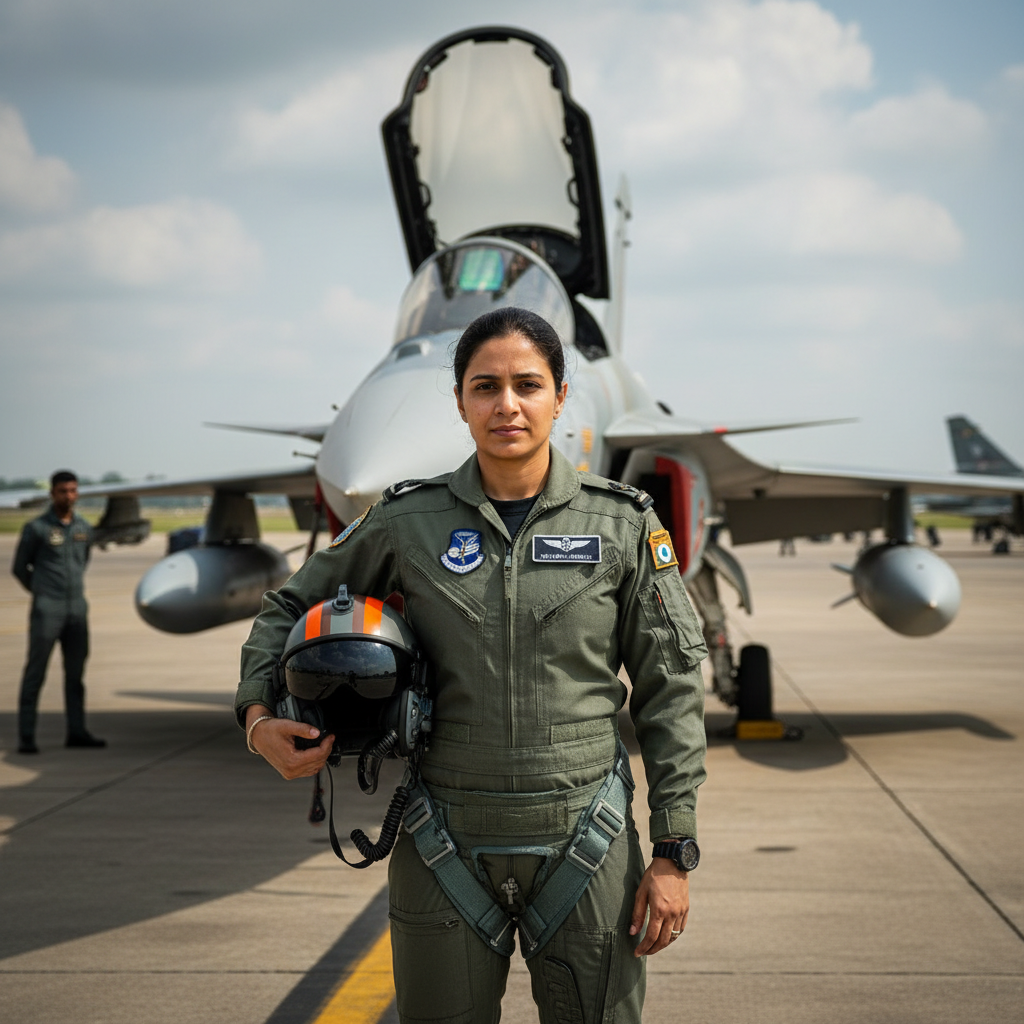
AFCAT Flying Branch Eligibility 2026
| Criteria | Details |
|---|---|
| Qualification | Bachelor’s degree (any stream) + Physics & Maths in Class 12 |
| Minimum Aggregate | 60% aggregate (in graduation) |
| Age Range | 20–24 years as on last date of application |
| Date of Birth | Born between June 19, 2002 – June 19, 2006 |
| Marital Status | Unmarried |
| Gender | Male only (as of 2026; women pilots being considered in future) |
| Physical Height | Minimum 162.5 cm (no maximum limit) |
| Vision (Uncorrected) | Better eye: 6/6 | Worse eye: 6/9 (no correction allowed for pilots) |
| Colour Blindness | NOT allowed (Ishihara test — must pass) |
AFCAT Flying Branch Selection Process: 5 Stages
Stage 1: AFCAT Written Exam
| Parameter | Details |
|---|---|
| Exam Date | August 8, 2026 |
| Exam Type | Computer-based test (CBT) |
| Duration | 2 hours (120 minutes) |
| Total Marks | 300 marks |
| Question Type | Multiple choice (4 options) |
| Negative Marking | 0.25 × marks for wrong answer |
AFCAT Exam Pattern (All Branches):
| Section | Topics | Marks |
|---|---|---|
| General Awareness | Current affairs, Defence, History, Geography, Science, Sports | 60 |
| Verbal Ability | Reading comprehension, Grammar, Synonyms, Antonyms, Paragraph completion | 60 |
| Numerical Ability | Arithmetic, Algebra, Geometry, Data interpretation | 60 |
| Reasoning & Military Aptitude | Logic, Pattern recognition, Situation awareness, Officer-like qualities | 120 |
| TOTAL | — | 300 |
Stage 2: Pilot Aptitude Battery Test (PABT)
The PABT is a specialised test only for Flying Branch candidates. It assesses whether you have the natural aptitude to become a pilot. This is not taught — it is inherent. Candidates who score below a minimum threshold are eliminated regardless of their AFCAT score.
| Test Component | What It Tests | Duration |
|---|---|---|
| Spatial Orientation | Understanding aircraft position in 3D space; mental rotation of objects | 10 min |
| Multi-Tasking Ability | Managing multiple tasks simultaneously (simulates cockpit environment) | 10 min |
| Hand-Eye Coordination | Precision control using joystick-like simulator; reaction time | 10 min |
| Stress Management | Performance under time pressure and distractions | 10 min |
| Speed & Accuracy | Quick decision-making on visual recognition tasks | 15 min |
Stage 3: SSB Interview (Service Selection Board)
SSB is a 5-day intensive personality and aptitude assessment. All three services (Army, Navy, Air Force) use the same SSB process. For Flying Branch, the focus is on:
| Day | Assessment | What It Tests |
|---|---|---|
| Day 1 | Screening test + RT (Reasoning Test) | Officer-Like Qualities, logical thinking |
| Day 2 | GTO (Group Testing Officer) tasks | Leadership, teamwork, decision-making under pressure |
| Day 3 | Psychology tests (PPDT, TAT, WAT, SRT, SDT) | Psychological stability, creativity, reliability |
| Day 4 | Conference + Personal Interview | Communication, motivation, technical knowledge |
| Day 5 | Final announcement | Recommendation or screening out |
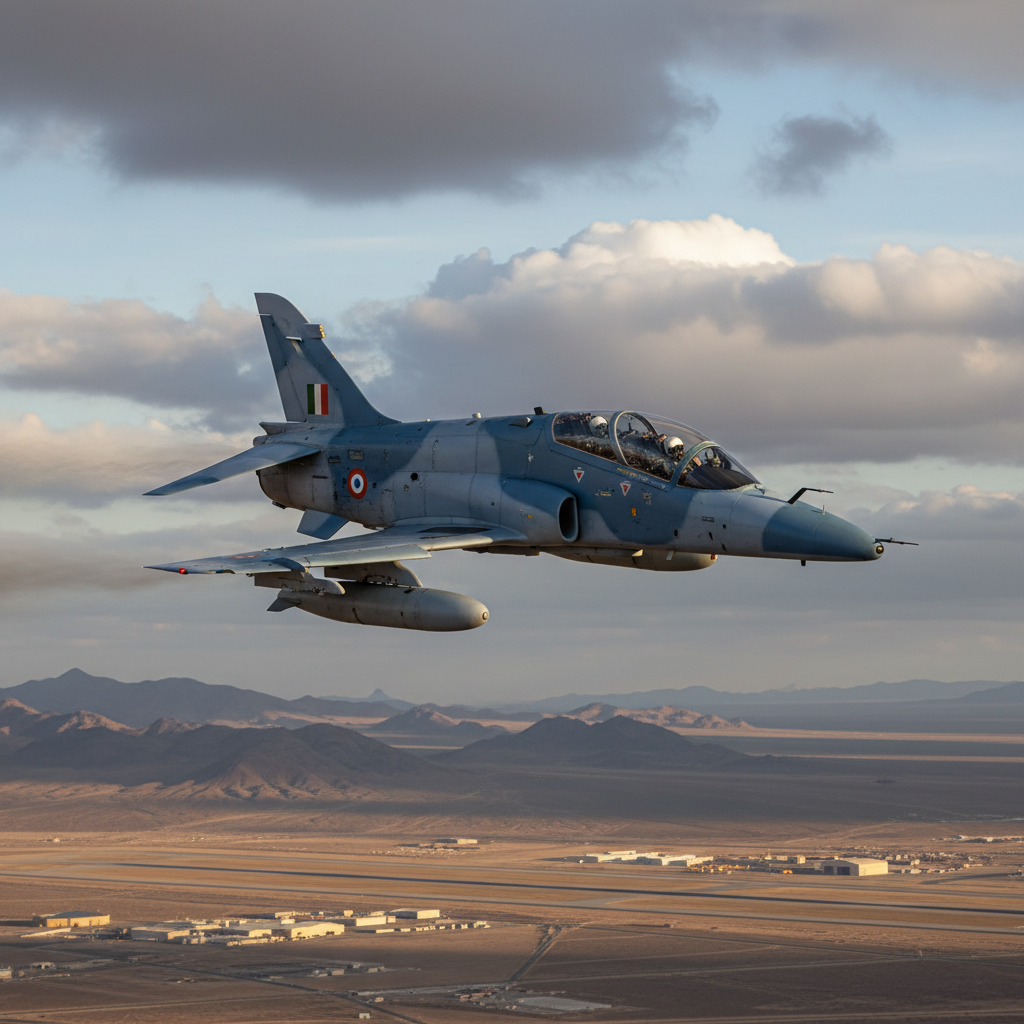
Stage 4: Medical Examination (Air Force Standards)
Medical examination for Flying Branch is extremely rigorous and has the highest standards among all defence officer entries. Vision and physical fitness are critical.
| Medical Test | Flying Branch Standard |
|---|---|
| Uncorrected Vision | Better eye: 6/6 | Worse eye: 6/9 (STRICT — no correction allowed) |
| Refractive Error | Not more than ±3.0 D (allowed if surgically corrected via LASIK — min 6 months post-surgery) |
| Colour Vision | Must pass Ishihara test (no red-green colour blindness) |
| Height | Minimum 162.5 cm; no maximum limit |
| Physical Fitness | Excellent cardiovascular fitness; no chronic health conditions |
| Hearing | Normal hearing; no significant hearing loss |
| Dental | Good dental health; dentures not acceptable |
| Chest X-ray | Clear; no abnormalities |
| EEG | Normal (to assess neurological fitness) |
| BMI | Between 18.5–25.0 kg/m² |
Stage 5: Documentation and Final Selection
Verification of educational documents, character certificate, and police verification. Final merit list is released based on AFCAT score, PABT performance, SSB recommendation, and medical fit status.
AFCAT Flying Branch Vacancies 2026
AFCAT 2 2026 is offering approximately 379 total vacancies across all branches:
| Branch | Vacancies (Approx) | Competitiveness |
|---|---|---|
| Flying Branch | 150–180 | ★★★★★ (Highest) |
| Ground Duty (Technical) | 100–120 | ★★★☆☆ (High) |
| Ground Duty (Non-Technical) | 50–70 | ★★★☆☆ (Moderate-High) |
| TOTAL | ~379 | — |
AFCAT Flying Branch Salary & Career Benefits 2026
| Component | Monthly Amount (Approx) |
|---|---|
| Basic Pay (Flying Officer) | ₹56,100 |
| Dearness Allowance (DA, ~15%) | ₹8,415 |
| Flying Allowance (Pilots) | ₹45,000 – ₹90,000 |
| House Rent Allowance (HRA) | ₹5,000 – ₹12,000 |
| Uniform Allowance | ₹5,000 |
| Leave Travel Concession | Fully paid (4 times/year) |
| TOTAL (Gross Salary with Flying Allowance) | ₹1,50,000 – ₹2,50,000 |
Career Progression
- Flying Officer → Squadron Leader (5 years)
- Squadron Leader → Wing Commander (10 years)
- Wing Commander → Group Captain (15 years)
- Potential to reach Air Marshal (highest rank)
Service Tenure
Short Service Commission (SSC) — Initial 10 years of service with option to extend for Permanent Commission (PC) for another 20+ years, totalling 30+ years of service.
PABT Test: How to Prepare
The PABT (Pilot Aptitude Battery Test) cannot be “studied” like the written exam. However, you can improve by:
- Spatial reasoning: Play 3D puzzle games, practice mental rotation visualisations
- Hand-eye coordination: Flight simulator games (X-Plane, Microsoft Flight Simulator 2024)
- Multi-tasking: Juggling, rhythm games, simultaneous task-handling exercises
- Stress management: Meditation, yoga, breathing exercises — maintain composure under pressure
- Decision-making: Chess, strategic board games, time-bound problem solving
Important Dates: AFCAT Flying Branch 2026
| Event | Date |
|---|---|
| Notification released | May 20, 2026 |
| Application begins | May 20, 2026 |
| Last date to apply | June 19, 2026 (11:55 PM IST) |
| Admit card release | August 4, 2026 |
| AFCAT 2 exam date | August 8, 2026 |
| Result announcement | September 15–20, 2026 (approx) |
| PABT test (shortlisted candidates) | October–November 2026 |
| SSB interviews (recommended candidates) | December 2026 – March 2027 |
| Medical exam (SSB recommended) | April–May 2027 |
| Final selection list | June 2027 |
| Flying training begins at AFA Dundigal | July–August 2027 |
FAQs: AFCAT Flying Branch
Q1: Can girls apply for AFCAT Flying Branch?
As of 2026, AFCAT Flying Branch is open to males only. However, the Indian Air Force is gradually opening pilot positions for women. This may change in future AFCAT notifications. Women can apply for Ground Duty (Technical and Non-Technical) branches in AFCAT.
Q2: What is the cutoff score for AFCAT Flying Branch?
AFCAT doesn’t release a “cutoff” before selection. Merit is based on: (1) AFCAT score, (2) PABT performance, (3) SSB recommendation, (4) Medical fitness. Typically, candidates in top 500–800 of AFCAT are called for PABT. Average AFCAT score for Flying Branch selection is around 220–240 out of 300.
Q3: Is LASIK correction allowed for Flying Branch?
Yes, LASIK eye correction is allowed if performed at least 6 months before the medical exam, and the post-surgical vision is 6/6 or better without correction. Refractive error should not exceed ±3.0 D.
Q4: Is there any age relaxation for AFCAT Flying Branch?
No age relaxation for Flying Branch. The age limit is strictly 20–24 years as on the date of application. No category-based relaxation is provided.
Q5: How long is the flying training after selection?
Flying training at Air Force Academy Dundigal takes approximately 2.5 years, divided into:
- Phase 1 (Ground school): 6 months — aircraft systems, navigation, meteorology
- Phase 2 (Initial flying training): 1.5 years — trainer aircraft (Pilatus PC-7)
- Phase 3 (Advanced flying training): 6 months — fast jets (Hawk/Tejas)
Key Takeaways
- ✈️ AFCAT Flying Branch is the most competitive IAF officer entry
- ✈️ Eligibility: Graduation with Physics & Maths (60%), aged 20–24 years, uncorrected vision 6/6 or 6/9
- ✈️ 5 selection stages: Written exam → PABT → SSB → Medical → Documentation
- ✈️ AFCAT 2 exam: August 8, 2026 | Last date: June 19, 2026
- ✈️ Salary: ₹1,50,000–₹2,50,000/month with flying allowance
- ✈️ PABT test assesses spatial reasoning, multi-tasking, and pilot aptitude — cannot be “studied”
- ✈️ Medical standards are the strictest among all defence entries
Conclusion: The Sky Is Calling
Becoming an IAF pilot through AFCAT Flying Branch is one of India’s most challenging and rewarding careers. It demands physical excellence, mental sharpness, and unwavering determination. The selection process is designed to identify officers who can handle the intense pressures of fighter aircraft operations.
If you meet the eligibility criteria and have the drive to become a pilot, apply by June 19, 2026 at afcat.edcil.co.in. Begin your AFCAT preparation now, focus on the written exam, prepare mentally for PABT, and stay physically fit. The uniform and the sky await.
🎖️ Join Defence Dreamers Academy — Comprehensive AFCAT coaching, PABT preparation, mock tests, and SSB mentorship. Your dream to fly India’s fighter jets starts here.